 Skip to content

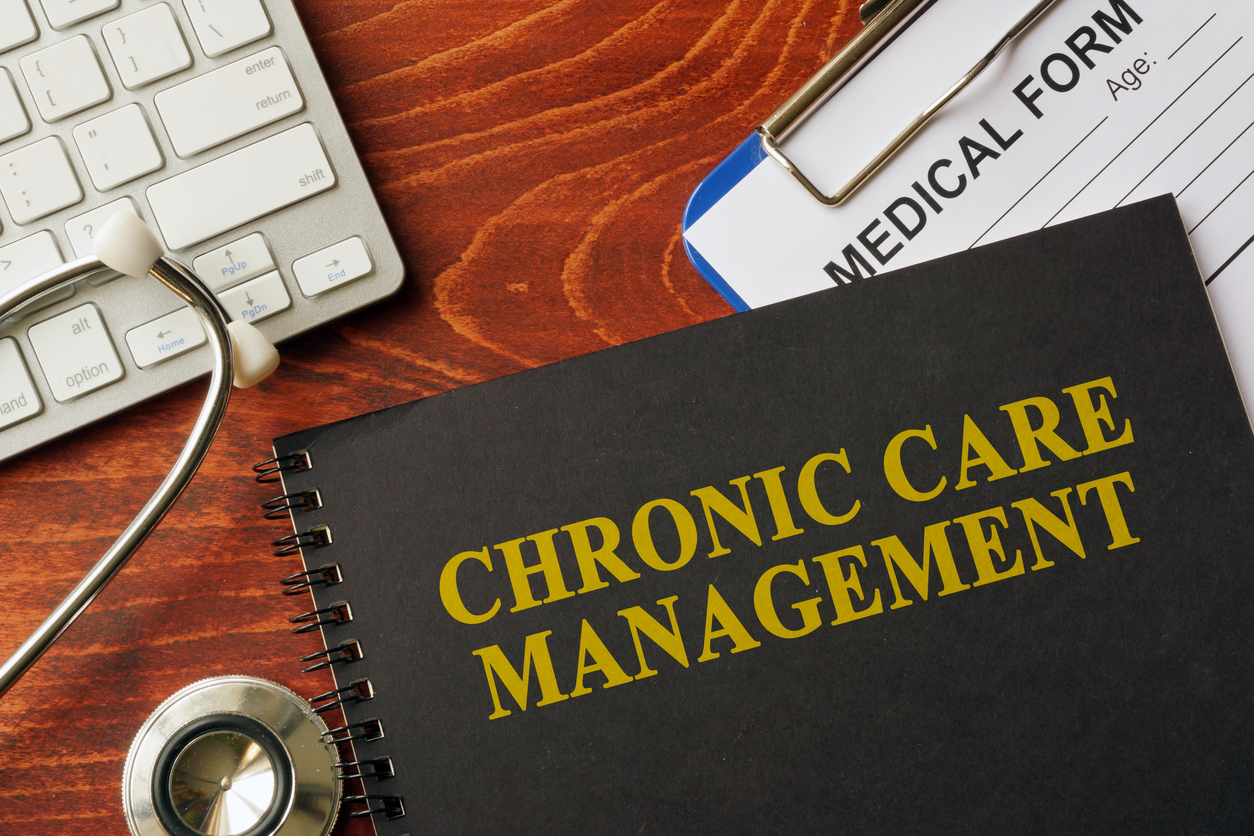
More than 50% of U.S. adults experience two or more chronic conditions, a figure that represents roughly 130 million Americans. Diagnosis of a single chronic condition is reason enough for concern, but two or more conditions can be a scary, confusing, and economically challenging proposition. Pharmacies can alleviate these concerns by offering Chronic Care Management (CCM) services, which can be a tremendous help to patients.
Table of Contents
- What Are Chronic Care Management Services And Why Do They Matter Today?
- How Have Pharmacies Become Key Players In Chronic Care Management?
- What Challenges Do Pharmacies Face When Implementing Chronic Care Programs?
- How Does PrimeRx Streamline Delivery Of Chronic Care Management Services?
- How Can Pharmacies Use Data From PrimeRx To Improve Patient Outcomes?
- Why Should Pharmacies Choose PrimeRx For Delivering Chronic Care Services?
What Are Chronic Care Management Services And Why Do They Matter Today?
To understand precisely what is meant by “Chronic Care Management,” the Centers for Medicare and Medicaid Services (CMS) is a good place to start. CMS defines the concept as “management of a patient’s multiple (2 or more) chronic conditions expected to last at least 12 months, or until their death.”
Common chronic conditions include, but aren’t limited to:
- Diabetes
- Hypertension
- Chronic obstructive pulmonary disease (COPD)
- Asthma
- Arthritis
- Cardiovascular disease
- Depression
- Alzheimer’s disease and related dementias
Proper management of chronic conditions is essential not only for improving patients’ quality of life but also for controlling healthcare costs. Diabetes alone accounted for more than $400 billion in medical expenses and lost productivity in 2022, while cancer-related costs are projected to exceed $240 billion annually by 2030. When multiple chronic conditions are present, the financial and clinical burden increases substantially.
Recognizing the importance of coordinated, ongoing care, Medicare began reimbursing qualified providers for CCM services in 2015. These services are designed to improve care coordination, medication oversight, and patient engagement between clinical visits.
Reimbursable CCM activities generally include:
- Recording structured data in the patient’s health record.
- Maintaining a comprehensive care plan for each patient.
- Providing 24/7 access to care.
- Comprehensive care management.
- Transitional care management.
Under current federal regulations, qualified providers include physicians, certified nurse-midwives, clinical nurse specialists, nurse practitioners, and physician assistants. Noticeably absent from this list are pharmacists.
How Have Pharmacies Become Key Players In Chronic Care Management?
Despite their exclusion from the federal government’s list of qualified providers, pharmacists are logical providers of chronic care management services. Patients interact with their community pharmacies far more frequently than with primary care providers, making pharmacists a highly accessible and trusted source of ongoing care.
Research published in the Journal of Managed Care & Specialty Management found that patients visit their community pharmacies nearly twice as often as they visit their physicians. The study highlighted both the accessibility of community pharmacists and their role in offering “medication optimization, disease management, health and wellness services, and educational outcomes.”
Key chronic care services offered by pharmacies include:
- Screening and Early Detection
- Pharmacy Times notes the effectiveness of pharmacy-based screening programs in helping to identify “previously undiagnosed conditions,” including hypertension, diabetes, asthma, and COPD. Patient screenings, especially among populations who may not routinely visit a primary care provider, increase opportunities for early detection and proper management.
- eCare Plans
- Pharmacy eCare plans provide a standardized, technology-based format that pharmacists use to create and manage patient records that can be shared with other health care team members. Providers are organized into integrated networks that are administered by the Community Pharmacy Enhanced Services Network (CPESN).
- Medication Synchronization Programs
- All routine medications are scheduled for dispensing at the same time each month. The pharmacist provides clinical medication management and monitors progression toward desired goals when meeting with patients at the time of medication pick-up.
- Immunizations
- Pharmacies have become preferred venues for vaccine administration, as evidenced by 2024 research finding that 9.3 million doses of the RSV vaccine were administered in pharmacies, compared with only 291,600 doses administered in medical offices.
- Comprehensive Medication Reviews
- A systemic assessment of medications, including prescription, over-the-counter, herbal medications, and dietary supplements to identify medication-related problems, and create a plan to address any issues.
- Medication Therapy Management (MTM)
- The CDC describes medication therapy management (MTM) as “a distinct service or group of services provided by health care providers, including pharmacists, to ensure the best therapeutic outcomes for patients.” The agency notes that MTM is especially effective for patients with multiple chronic conditions, complex medication therapies, high prescription costs, and multiple prescribers.
Core Components of Medication Therapy Management (MTM)
MTM generally features five core elements:
- Medication therapy review (MTR). This refers to the process of collecting patient-specific information, assessing medication therapies to identify medication-related problems, developing a prioritized list of medication-related problems, and creating a plan to resolve them.
- Personal medication record (PMR). The PMR is a comprehensive record of a patient’s medications, including prescription and non-prescription medications, herbal products, and other dietary supplements.
- Medication-related action plan (MAP). The medication-related action plan (MAP) is a patient-centric document that includes a list of actions for the patient to use in tracking self-management progress.
- Intervention and/or referral. The pharmacist provides consultative services and intervenes to address medication-related problems. When necessary, the pharmacist refers the patient to a physician or other healthcare professional.
Documentation and Follow-up. Documentation is an essential element of MTM services. The pharmacist documents services and intervention(s) performed in a manner appropriate for evaluating patient progress, and sufficient for billing purposes.
What Challenges Do Pharmacies Face When Implementing Chronic Care Programs?
The lack of federal status as a “qualified provider” is a significant impediment to pharmacists’ ability to offer chronic care programs. Without this designation, pharmacists are unable to obtain reimbursement for the services they provide and are unable to claim “a seat at the table” on patient care teams.
This lack of integration among health providers can result in information gaps as communication and information flows become inconsistent and broken. For pharmacies, results can include:
- Claims/Billing inaccuracies.
- Poor records management.
- Communication gaps.
- Fragmented tracking of dispensing, communication, and clinical services.
How Does PrimeRx Streamline Delivery Of Chronic Care Management Services?
Pharmacists can rely on technology-based solutions to address these challenges and implement highly efficient CCM systems. This includes the PrimeRx pharmacy management system, which, for more than 40 years, has worked hand-in-hand with pharmacists to build solutions to meet pharmacies’ unique needs. About chronic care management, PrimeRx offers functionality that includes:
- Medication Therapy Management (MTM).
- PrimeRx enables pharmacists to manage the full MTM workflow within a single system, including medication reviews, patient action plans, documentation, and follow-up. Pharmacists can capture comprehensive patient information, track adherence, and identify potential medication conflicts automatically.
- Medication Therapy Review
- The system allows for the capture of extensive patient information. This includes contact information and medical history, along with notes about lifestyle, social habits, family, living situation, and other factors that may affect health outcomes.
- Personal Medication Review
- The system maintains a patient’s comprehensive medication history, with all updates seamlessly recorded and stored. This includes not only a record of prescribed medications, but information about adherence, names of prescribers, and records of non-prescription drugs and supplements the patient has used. And critically important, the system automatically identifies potential medication conflicts, so that necessary adjustments can be made.
- Medication Action Plan
- Pharmacists can create action plans that can be shared electronically with the patient and members of the healthcare team. Plans can be customized to include timelines for various goals, and checklists of “action items.” The plan becomes a living document that can be easily updated or revised as the patient’s condition warrants – and hopefully improves.
- Intervention and/or referral
- The pharmacist provides consultative services and intervenes to address medication-related problems. When necessary, the pharmacist refers the patient to a physician or other healthcare professional.
- Documentation and Follow-up
- Documentation is an essential element of MTM services. The pharmacist documents services and intervention(s) performed in a manner appropriate for evaluating patient progress, and sufficient for billing purposes.
- Medication Synchronization
- Pharmacists can easily synchronize patient refills by selecting eligible medications within the patient record and establishing a recurring pickup schedule. This reduces pharmacy visits, improves adherence, and supports ongoing patient engagement.
- Automated Refill Workflows
- PrimeRx automatically identifies all prescriptions ready for renewal and, with a simple click of the “process all” button, moves them into the pharmacy refill workflow. Pharmacies can use this simple process to move hundreds of prescriptions into the refill queue, accomplishing a task in seconds that previously required hours of staff time.
- eCare Plans
- Pharmacy eCare plans can be created quickly within PrimeRx and updated as care evolves. Pharmacists can document chronic care services and securely share plans with other members of the healthcare team, supporting coordination and payer documentation.
- Electronic Health Records
- PrimeRx integrates directly with leading EHRs for easy access to patient records and management.
- Documentation
- Electronic records are automatically stored within each patient’s profile. Pharmacies can also scan and store hard-copy documents, ensuring quick access for audits, care coordination, or reimbursement needs.
- Reimbursements/Billing
- Claims are automatically transmitted to each appropriate payer. The system tracks the progress of each claim and alerts the pharmacist about outstanding claims, along with those that have been rejected or require additional information.
- Automated communications
- PrimeRx supports patient communication through automated texts, calls, and emails for refill reminders, prescription readiness, and program notifications, while maintaining compliance documentation.
- Report generation
- Customizable reports provide insight into patient adherence, outstanding refills, demographics, and overall pharmacy performance, enabling data-driven decision-making.
How Can Pharmacies Use Data From PrimeRx To Improve Patient Outcomes?
Every day, pharmacies capture thousands of data points related to a wide range of pharmacy activities and patient outcomes. But without a process for organizing and making sense of that data, much of it is meaningless. PrimeRx provides the functionality required for prioritizing data and generating meaningful, customized reports.
Specific to chronic care management, PrimeRx provides user-friendly dashboards that pharmacists can use to track patient adherence rates, determine potential “red flags” for a certain condition, and monitor chronic conditions.
What Operational And Financial Benefits Do Pharmacies See When Using PrimeRx For Chronic Care Management?
In addition to the many benefits to patients, PrimeRx adds efficiency and enables cost savings throughout pharmacy operations. This is achieved through functionality that includes:
- Reduced administrative burden.
- Improved reimbursement accuracy
- Improved billing workflow
- Improved revenue
Why Should Pharmacies Choose PrimeRx For Delivering Chronic Care Services?
Chronic and mental health conditions account for 90% of the $4.9 trillion spent annually on health care in the United States. Topping the list are cardiovascular disease, cancer, and diabetes, which together take millions of lives each year.
Chronic Care Management is an effective tool in helping patients adapt and thrive. Through careful consultation and personalized planning, a strategy is implemented for addressing a patient’s unique situation. Medications are continually reviewed, along with symptoms, screenings, lifestyle changes, and support teams – all to provide the patient with the highest quality of life despite the presence of multiple chronic conditions.
PrimeRx stands apart in terms of its logical, easy-to-use format and the scope of its functionality. As discussed in greater detail above, CCM functionality offered through PrimeRx includes:
- Automated workflows (Intake, Dispensing, Refills, Claims, Inventory, Compliance)
- Billing/Claims Management
- Communication
- eCare plans
- Electronic health records
- Medication synchronization
- Medication Therapy Management
- Patient account management
- Report generation.
As chronic conditions continue to affect Americans across all age groups, pharmacists will remain a trusted source of care and guidance. With ongoing innovation and purpose-built solutions, PrimeRx will continue to support pharmacies as essential partners in chronic care management.