
Explore PrimeRx Pharmacy Ecosystem Schedule a Demo
It’s been 20 years since Hurricane Katrina slammed into the Gulf Coast of the United States, leaving a trail of chaos that extended from Louisiana to Mississippi to Alabama. While the destruction from that storm, which at its peak reached Category 5 intensity, has been well documented, smart officials are looking to use the lessons of Katrina to ensure readiness and proper precautions for future storms. This includes the impact the storm had on community pharmacies, and patients who were shut off from regular access to those pharmacies, and their needed medications.
A post-mortem compiled by the Centers for Disease Control (CDC) found that among Katrina evacuees who took shelter in San Antonio, TX, 68% were in need of prescription medications to treat chronic conditions. The director of MLK Health, a free clinic and pharmacy located about five hours northwest of New Orleans, recalled “a massive amount of people who were showing up and multiple shelters that were opening up.” Further, she noted, “they had no medications and no physicians…Their pharmacies were destroyed, along with the records and data.”
There have, of course, been many natural disasters since Katrina, including several “once in a century” weather events, wildfires, and earthquakes, to name a few. Each resulted in loss of life, devastating property and infrastructure destruction, and significant disruption to daily routines, including pharmacy operations.
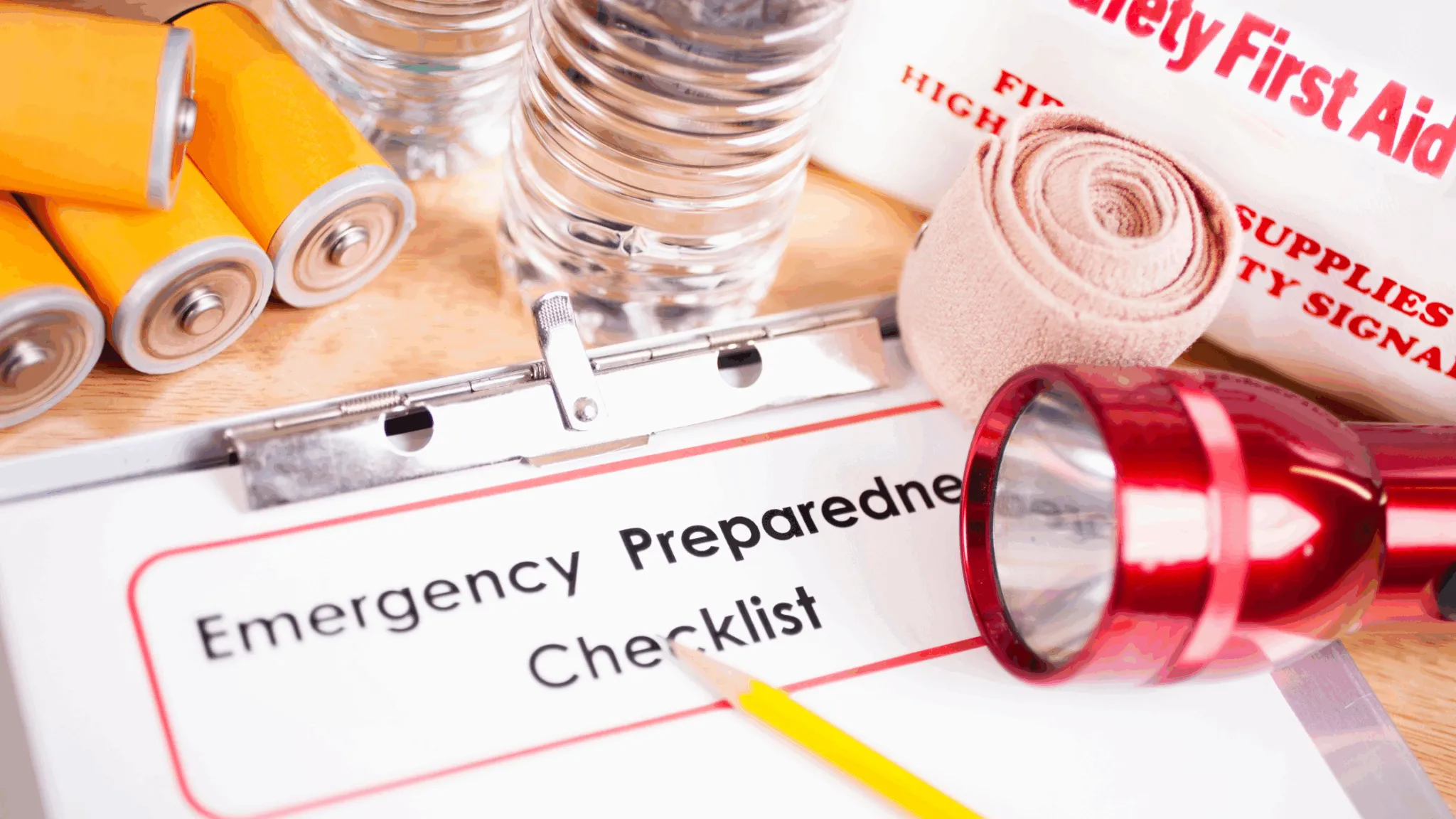
For pharmacists, the time to prepare for a natural disaster should begin long before local weather reports suggest a storm may be headed their way. Disaster preparation should be an integral part of a pharmacy’s operating plan, a document that details how a pharmacy will respond if suddenly forced to stop operating, how patients will be serviced in the interim, and how records and pharmacy data will be protected.
The National Community Pharmacists Association (NCPA) has compiled a “disaster preparation action list” that offers several suggestions for helping pharmacies prepare for an unplanned event. Action list items include:
#1 Compile primary phone numbers
#2 Maintain current list of all vendors
#3 Maintain important documents as hard copies and digitally
#4 Enroll your pharmacy at Healthcare Ready, which notifies patients which pharmacies in their area are open during disasters.
#5 Ensure the ability to store an appropriate quantity of invoices/remit advices/contracts/etc.
# 6 Take photographs annually or after renovations
#7 Create a “before” video and update the video annually or after major changes and renovations in the pharmacy.
#8 Back-up hard drives daily and maintain duplicate external hard drives.
#9 Full system backup (both POS and Rx)
#10 Form a legal “cooperative agreement” with another pharmacy on an “in case of emergency” basis.
#11 Identify potential storage sites in case of emergency.
#12 Maintain a good rapport with business neighbors.
#13 Know your disaster response players, including insurance company representatives.
Several of the items on this NCPA checklist refer to technology. This underscores the critical role technology plays in today’s pharmacy operations, and the need to ensure its accessibility during a time of crisis. This includes the PrimeRx pharmacy management system, which prioritizes data security and protection, uninterrupted system access, and patient communication. Key PrimeRx options and capabilities include:
PrimeRx CLOUD is an innovative platform offered by PrimeRx that addresses pharmacists’ needs for flexibility and options.
PrimeRx allows a pharmacy to keep the lines of communication open and provide patients with timely texts and emails.
Should a pharmacy have to close for an extended period, customers can be notified and provided information for emergency options for obtaining a refill. This can include information about RX Open, which helps patients identify open pharmacies in areas impacted by disaster. (Pharmacies should enroll as Rx Open participants, so their open/closed status can be included in storm updates.)
Several of the items on this NCPA checklist refer to technology. This underscores the critical role technology plays in today’s pharmacy operations, and the need to ensure its accessibility during a time of crisis. For more on how technology is evolving, explore our insights on AI and pharmacy. This includes the PrimeRx pharmacy management system, which prioritizes data security and protection, uninterrupted system access, and patient communication. Key PrimeRx options and capabilities include:
The PrimeRx Remote Backup Service (RBS) protects pharmacy records and ensures that, should a disruption occur, all records and data will be protected. A few features of the RBS solution include:
Cloud-Based Storage
Customized Backup Schedule
Seamless Transition to Backup Data
Hurricane Katrina struck the Gulf Coast states during the final week of August in 2005. For the people who endured the enormity of the storm and worked to rebuild their lives and livelihoods in its aftermath, Katrina is a story of resiliency, community, and endurance. For others, the post-storm period has been a time to examine what went wrong, and to correct those weaknesses with far-reaching, targeted best practices.
As pharmacies consider the need to prioritize disaster preparedness, they can find comfort in knowing that technology-based solutions can keep their critical data safe, and help ensure continuity throughout any period of uncertainty.