
Explore PrimeRx MARKET Join PrimeRx MARKET for FREE
Pharmacy-based organizations were quick to sound the alarm when President Donald Trump announced plans for a 25% tariff increase on pharmaceutical imports.
The National Community Pharmacists Association (NCPA) expressed concern the tariff increases “could trigger shortages in the near term and, just as dangerous, force independent pharmacies to absorb higher costs.” Industry trade association Pharmaceutical Research and Manufacturers of America (PhRMA) quantified those costs, with a study that found drug prices could increase by as much as 12.9%. And the Academy of Managed Care Pharmacy (AMCP) urged the Administration to “exercise caution” in finalizing its plans.
But perhaps one Arkansas pharmacy owner summed it up best when he told National Public Radio (NPR): “The one word that I would say right now to describe tariffs is uncertainty.”
Uncertainty certainly seems to be an apt description. Pharmacists now find themselves in a state of limbo, not knowing if the tariffs will take effect and if they do, what the impact will be on their bottom lines.
Before discussing how pharmacists can manage during this time of uncertainty, it’s helpful to understand the current state of the U.S. drug supply, and the problem the Trump Administration is trying to address.

The United States has become highly dependent on foreign manufacturers and has a reached a point where, notes The New York Times, “most of America’s top-consumed generic drugs, as well as key antibiotics and antivirals [have] no American facility producing their active ingredients.” The Times cites research from healthcare data company Clarivite which offers an analysis of the drug supply chain as of 2021. Key takeaways include:
Further, analysis by Ernst & Young determined that APIs are sourced from almost 150 countries, but just 12 countries (six of which are in the EU) account for 80% of total imports. A few additional details, based on 2023 data, include:
A breakdown by type of drug includes:
All Pharmaceuticals
Branded Drugs
Generic Drugs
According to The New York Times, President Trump noted that “the United States can no longer produce enough antibiotics to treat our sick.”
Many in the pharmaceutical community share this concern. The NCPA, for example, issued a statement in support of efforts to return pharmaceutical manufacturing to the United States. “Our experience during COVID reminded everyone how dangerous it is to rely on foreign suppliers, especially hostile countries, for critical medicines and medical supplies.”
However, the NCPA stressed the potential negative implications of tariff increases, including drug shortages and higher prices for pharmacies.
Similarly, in comments submitted during the public comment period that accompanied the Commerce Department’s announcement of the Section 232 investigation, PhRMA noted that “the innovative biopharmaceutical industry shares the administration’s goal of ensuring the national and economic security of the United States.
But, PhRMA took exception to the Trump Administration’s position that the U.S. is overly reliant on foreign countries for drug ingredients, noting that “fifty-three percent by value of the $85.6 billion of active pharmaceutical ingredients (APIs) used in medicines consumed in the United States was manufactured in the United States as of 2021, with the remainder sourced primarily from Europe and other allies.”
In the immediate aftermath of the tariff announcement, PhRMA commissioned a study, also conducted by Ernst & Young, to determine the likely effects of a 25% tariff increase. A few findings include:
Further the NCPA explained, unless pharmacies are assured of increased PBM reimbursements, the result could be “fewer pharmacies, stranded patients, and inadequate pharmacy networks for Medicare and Medicaid.”
Clearly, the proposed tariffs would have deep-reaching effects if they are indeed implemented. As of early-June, the status of the tariffs remains unresolved. The Department of Commerce public comment period ended on May 7, with regulators presumably reviewing submissions filed by stakeholders including drugmakers, trade groups, and foreign governments, among others.
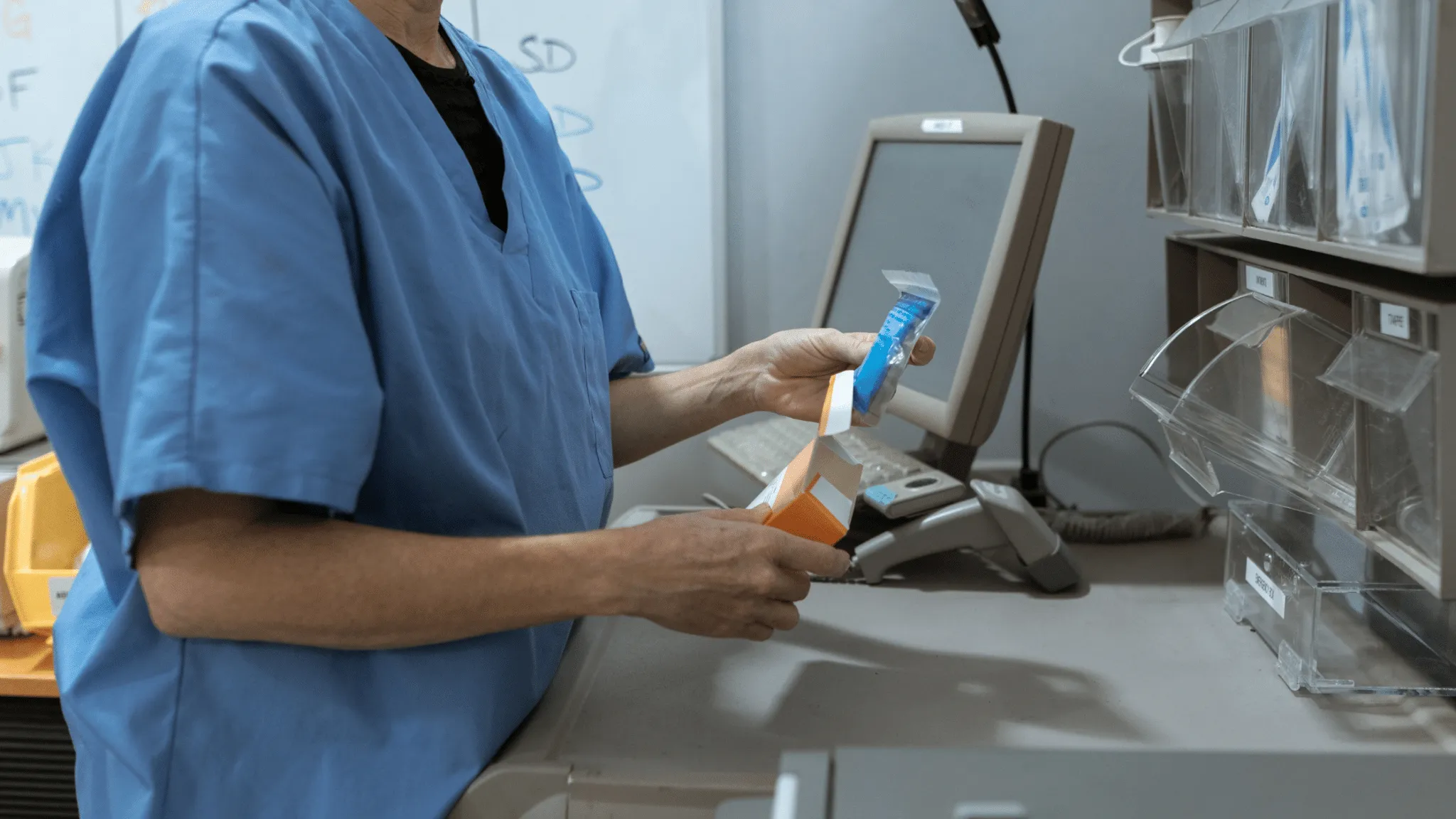
As pharmacies exist in this climate of uncertainty, many are proactively working to mitigate the impact should the tariffs take effect. National Public Radio reported that some have started stockpiling supplies of top-selling and most-expensive medications to head-off the expected higher costs. But that can be prohibitively expensive for many independent pharmacies and raises the likelihood of medications expiring on the shelf.
Instead, pharmacy technology leader PrimeRx is stressing the importance of looking to technology for help. Online marketplace PrimeRx Market along with the PrimeRx pharmacy management system, for example, offer extensive capabilities that can help add resilience to pharmacy operations. This includes the ability to identify low-cost purchasing options for medications, and find efficiencies throughout the pharmacy. Key functionality includes:
Multiple suppliers/Domestic sourcing. Pharmacies have long understood that drug pricing and availability can vary significantly between suppliers. Now, faced with potential price spikes and shortages, savvy pharmacies need fast, direct access to multiple buying options.
PrimeRx Market provides this flexibility. PrimeRx Market is the industry’s leading online marketplace for pharmacies to source prescription drugs, OTCs, medical supplies, and more — all in one place. Pharmacies can have direct access to more than 40 leading suppliers. With just a few keystrokes, the system will generate a complete listing of all suppliers that have a requested medication in stock, along with side-by-side pricing comparisons. As pharmacies prepare for the possibility of significant price hikes, PrimeRx Market can help by identifying the best purchasing options for required medications.
Inventory Management. With such a direct – and dramatic – impact on the bottom line, pharmacists must prioritize inventory management. This means knowing precisely which drugs are on the store shelves, how much they cost, and how soon they are likely to be dispensed. PrimeRx facilitates full inventory visibility with capabilities that include:
Business Reports. Pharmacies can rely on PrimeRx to keep track of the bottom line. The system seamlessly records all transactions, claims, compliance, and operating costs, along with all other pharmacy expenditures. But the system also helps pharmacies analyze the data by generating customized reports that detail various aspects of pharmacy operations. Pharmacies can customize reports based on precise needs. A few options include:
PrimeRx can generate an analysis of drug category profitability. This can help owners/managers determine which drugs to hold in inventory, and which should only be procured on a “patient specific, as needed” basis.
Real-Time Prescription Benefit. PrimeRx allows direct integration with the Surescripts Real-Time Prescription Benefit solution which provides patient-specific benefit and cost information. Pharmacists use this information to determine if a prescribed medication is included on a patient's formulary, and the corresponding co-pay amount. The solution allows pharmacists to identify affordable alternatives covered by the patient's plan. This addresses cost concerns and increases the likelihood of a patient taking a medication as prescribed.
Staff Productivity. Labor costs account for an average 10% of a pharmacy’s operating revenue, so an owner/manager will want to ensure staffing levels are aligned with pharmacy needs. PrimeRx allows the pharmacy to assess staffing needs in several ways. The system tracks each employee’s per/hour dispensing rate, identifies pharmacy peak hours, and closely tracks all payroll expenditures. These metrics allow the pharmacy to identify possible times when the pharmacy is over-staffed, thereby presenting an opportunity to reallocate staff hours. The metrics also identify potential employee productivity issues, which may indicate instances in which staff time is being spent on non-dispensing issues.
Records Management. Pharmacy managers can have confidence that all records – patient, vendors/suppliers, compliance, inventory, operations, sales, claims, reimbursements – are seamlessly stored within PrimeRx. This capability is especially helpful when responding to audit inquiries, since requested documents can be located in a matter of seconds, eliminating the need for staff members to comb through boxes of documents.
Whether or not the Trump Administration follows through with its proposed pharmaceutical tariff increase remains to be seen. But pharmacists can’t afford to take a “wait and see” attitude. Instead, a pharmacy would be smart to assume the tariffs will come to fruition, and take steps to mitigate the fallout.
And with the tariff situation subject to change at any time, there’s no time to waste.
PrimeRx can help!