

Prescription costs have become one of the hardest parts of treatment for many patients, and researchers who studied prescription spending found that one in five people who filled a prescription in 2025 rationed their medicine because of cost. Some split doses, while others put off refills rather than pay the full price at the counter.
Public debate usually follows the companies closest to that final price, especially drug manufacturers and the pharmacy benefit managers that negotiate drug coverage for insurers. And insurers draw similar scrutiny, yet the cost of a prescription starts taking shape before any of them determine what a patient pays.
Part of that cost is set well before the medicine reaches the pharmacy counter, at the point when the pharmacy buys it from a wholesaler. The amount paid may differ from one wholesaler to the next, leaving pharmacy buyers to find the lowest available price before placing an order, PrimeRx reports.
Smarter technology now lets buyers compare wholesaler prices before they order, bringing new attention to a part of drug affordability most patients never see.
Industry researchers often describe prescription pricing as a chain rather than a single price, since every medication moves through several hands before it reaches the pharmacy counter.
The Center for American Progress analysis of prescription drug financing notes that the process begins with the manufacturer, moves through a wholesaler, and reaches the pharmacy before the prescription is ever dispensed to a patient.
Along the way, the manufacturer sets a published sticker price known as the wholesale acquisition cost, while the pharmacy's acquisition cost reflects what the store actually paid after buying the medication. And the financial side of the prescription does not end there.
Once the medication is dispensed, the health plan reimburses the pharmacy, and the difference between that reimbursement and the pharmacy's acquisition cost helps cover the cost of operating the business.
Industry experts have pointed out that pharmacies often purchase medications without seeing every available market price, leaving some stores paying more before reimbursement is ever determined. When a pharmacy pays too much at the start, less money remains after reimbursement to cover the work of filling the prescription.
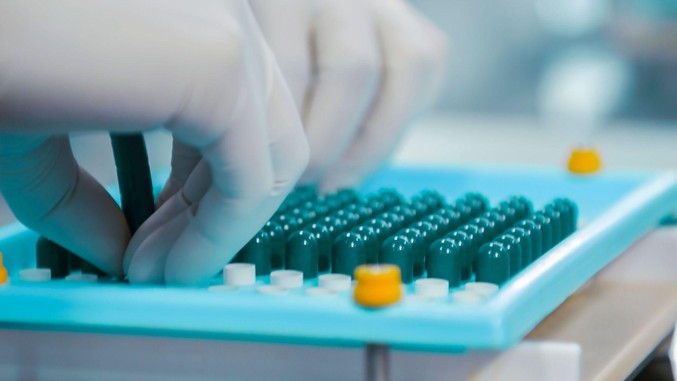
One of the stranger truths of drug buying is that the very same medication can cost a pharmacy different amounts depending on which wholesaler fills the order. No single set price applies at the point a pharmacy buys it, since private contracts give each store its own purchasing terms.
CMS National Average Drug Acquisition Cost data offers one of the few public views into what pharmacies actually pay, and researchers at The Ohio State University College of Pharmacy have used it to show how widely invoice costs differ from one store to another. One wholesaler contract may produce a lower price than another, even when the medication itself is unchanged.
The generic market is where this hits hardest, since the Association for Accessible Medicines reports generics fill 90% of prescriptions dispensed nationwide. Prices also move more often across that part of the market, leaving pharmacy buyers making repeated decisions on drugs that cross the counter every day.
Paying even a few cents more on each order adds up quickly when the same medication is purchased again and again.
Traditional ordering often leaves pharmacy staff checking one wholesaler at a time, with each search showing only part of the available market. But real-time comparison technology replaces that separate search with live pricing from multiple wholesalers on one screen, allowing the buyer to review current cost and stock before placing an order.
Forbes has reported that pharmaceutical e-commerce gives healthcare buyers a way to compare changing prices and product availability before placing an order, and pharmacy purchasing now follows the same basic model.
The software starts by bringing updated wholesaler prices into one system through electronic cost files. Once those prices are in place, supplier connections add the stock each wholesaler has available, and automated buy lists sort the offers for the buyer.
Marketplace platforms then place the lowest current price beside the quantity on hand, giving the buyer one clear view before committing to an order. With that comparison completed before the purchase is made, staff spend less time moving between supplier sites, and fewer orders go through before a better offer is seen.
Independent pharmacies operate with less room to absorb a bad month than the national chains they compete against. And researchers at The Ohio State University College of Pharmacy have pointed to federal data showing how national chains often secure lower wholesaler prices, an advantage smaller stores do not share.
Reimbursement pressure makes the difference harder to absorb, and Joe Mohamed, president of the Mississippi Independent Pharmacies Association, has named unsustainable reimbursement from pharmacy benefit managers as the biggest problem his members face, while Mississippi has lost 55 independent pharmacies since 2021.
A pharmacy can only take those losses for so long before staying open becomes harder. Research published in the Journal of the American Pharmacists Association found that closures reduce medication access and add more work for nearby pharmacies.
Smarter purchasing gives independent owners more control over what they pay, which may help a pharmacy make it through a tight month before the town loses a store its residents depend on.
The point where a lower pharmacy purchase price reaches the patient depends on how the prescription is paid for.
HealthCare.gov defines a copay as a fixed amount set by the insurance plan, so an insured patient may pay the same amount even after the pharmacy buys the medication for less. Under that arrangement, the savings more often help the pharmacy cover the cost of filling the prescription.
Cash-paying patients sit closer to the pharmacy’s purchase price. Stacey Swartz, co-owner of Neighborhood Pharmacy of Del Ray, told Drug Topics that she would rather offer a comparable cash price directly when her pharmacy can come close to a discount-card offer.
Healthcare attorney Jesse Dresser also noted that discount cards may reduce pharmacy payment while adding transaction fees. Better purchasing gives pharmacies more room to lower a cash price, though insurance rules and card fees still influence what the patient pays.
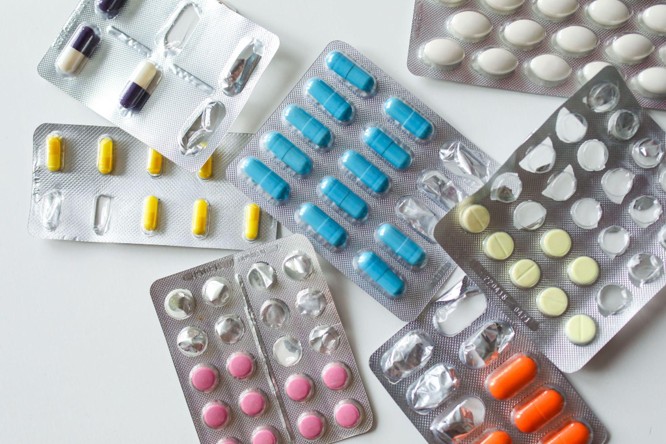
Pharmacy pricing is moving toward a market where sellers will face more pressure to explain what they charge.
Researchers at The Ohio State University College of Pharmacy have already shown how federal acquisition-cost data exposed wide differences between what pharmacies pay, giving buyers and policymakers a clearer view of prices that once stayed hidden inside private contracts.
Better visibility also feeds newer purchasing systems more reliable information to work from. Pharmacy Practice News has reported on AI tools that use current network rates to find lower-cost dispensing options.
Similar systems may soon study a pharmacy's past orders before advising when to buy, letting predictive purchasing help a store prepare for demand without the manual guesswork that has guided orders for years.
More pharmacies using those tools will make price visibility part of ordinary purchasing rather than an advantage held by a smaller group. Wider use will still leave much of the affordability problem outside any one pharmacy's control, since policy and insurance design continue to influence what patients pay.
But stronger supply-chain transparency gives pharmacies a real chance to catch an avoidable cost before the order goes out. And every dollar caught that early leaves a little more room to keep medication within reach of the person waiting at the counter.
